Let’s get one thing out of the way.
You should go to Machu Picchu.
It is spectacular. It deserves the photographs, the early alarm, the train ride and the strange moment when you realize that thousands of people before you have taken almost exactly the same picture.
But Cusco is not Machu Picchu.
And Peru is certainly not a collection of ruins waiting to be checked off an itinerary.
Some of the most interesting things to do in Cusco happen far away from ticket booths and archaeological circuits. They happen around a fire, inside somebody’s kitchen, beside an alpaca, under a sky full of stars or sitting with a woman who has been weaving since she was seven years old.
Travel a little slower and the Sacred Valley starts revealing an entirely different personality.
Here are some of our favorite unique things to do in Cusco and the Sacred Valley when you are ready to look beyond the stones.
1. Eat Lunch From a Hole in the Ground
There are restaurants.
And then there is Pachamanca.
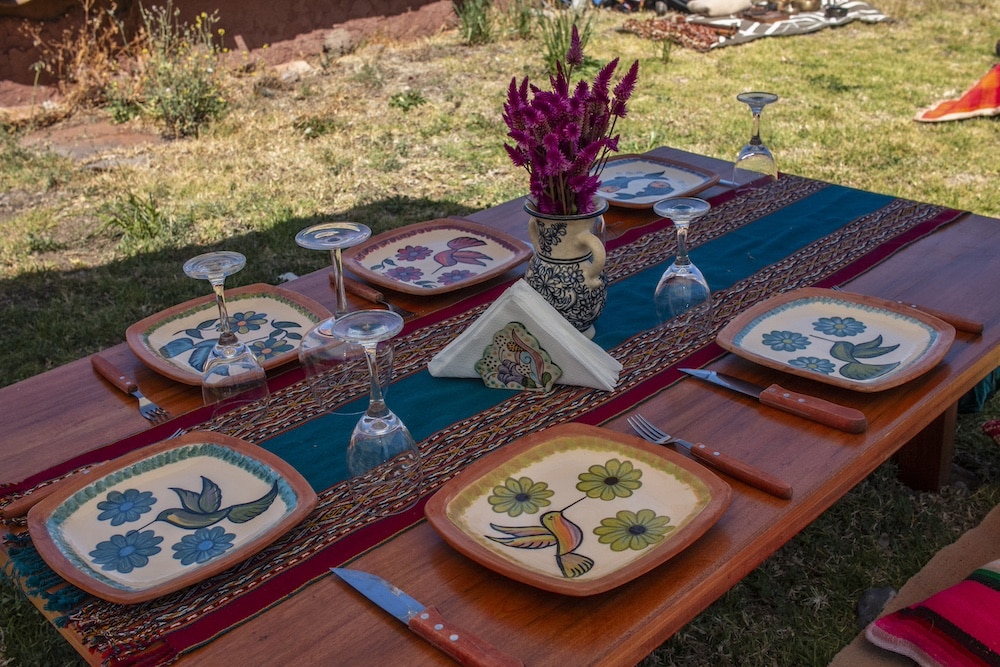
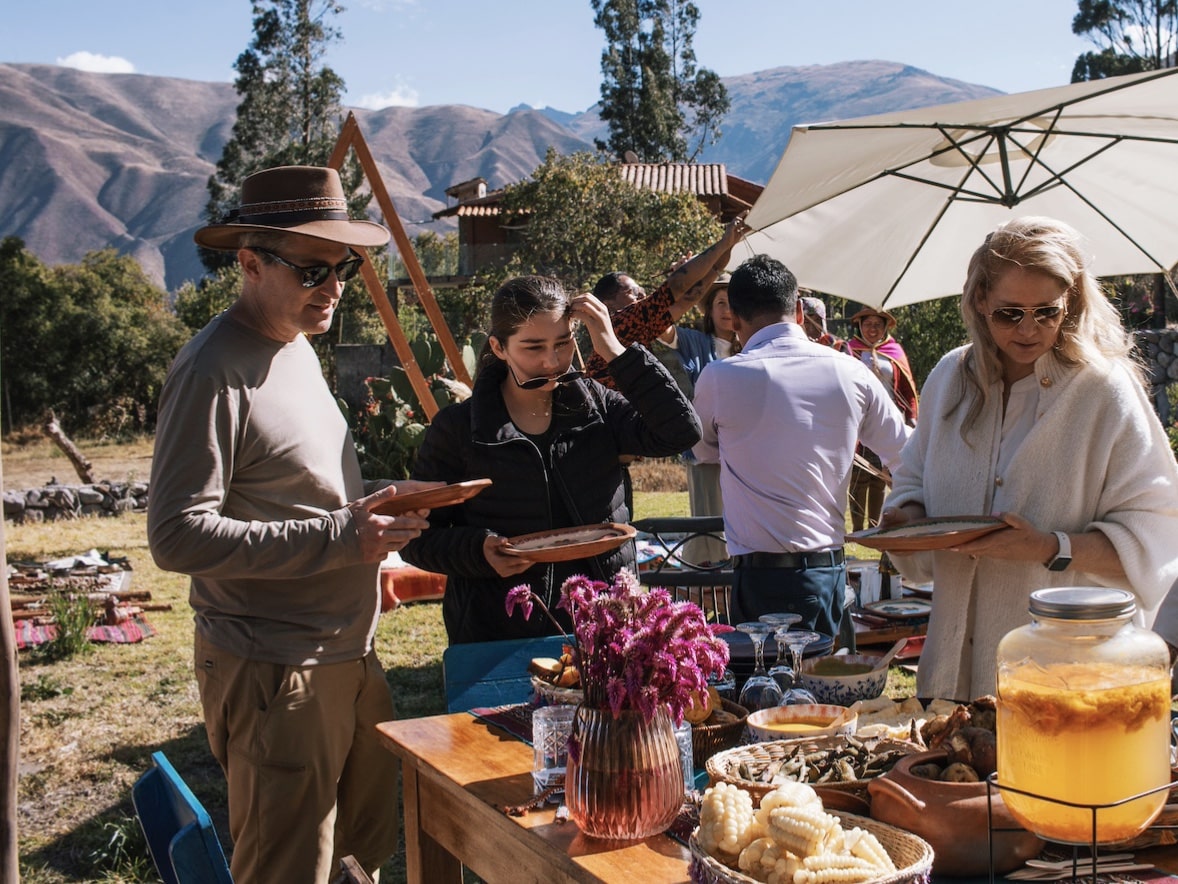
The concept is beautifully straightforward: stones are heated in a fire, meat, potatoes, corn and Andean ingredients are placed into the earth, everything is covered, and the ground becomes the oven.
Then you wait.
This is important.
There is no microwave version of Pachamanca.
Part of the pleasure is watching the fire, smelling the food and spending an afternoon without somebody shouting that the bus leaves in fifteen minutes.
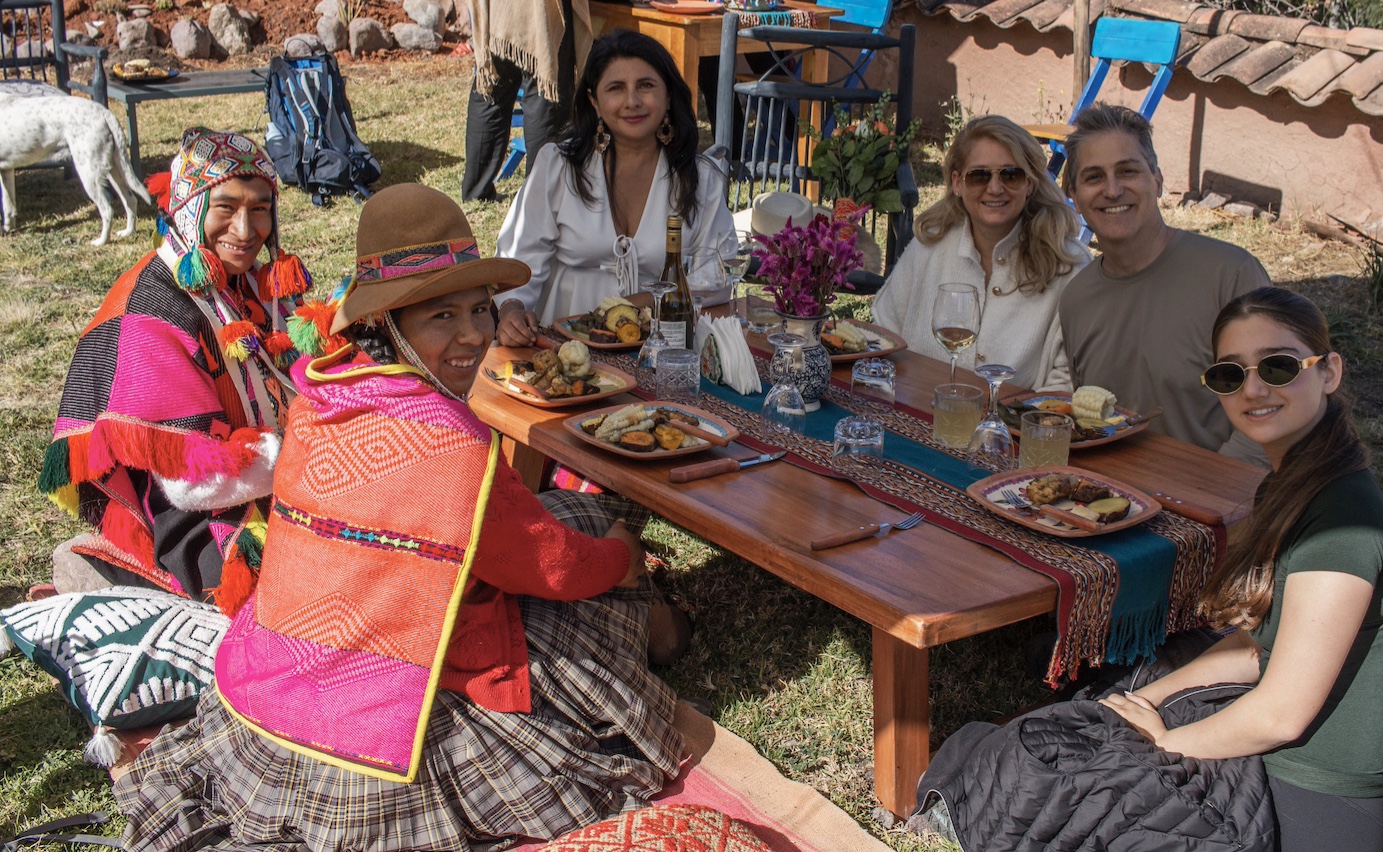
In the Sacred Valley, Pachamanca is much more interesting when it becomes part of the day rather than simply another lunch stop.
Add traditional weaving, conversation and a garden surrounded by mountains, and lunch suddenly becomes one of the memories you talk about when you get home.


Explore our Pachamanca & Weaving Experience →
2.Have an Andean Energy Cleansing — and Make an Offering to Pachamama
You do not need three days to begin understanding why spirituality is still so present in everyday Andean life.
Sometimes a few hours are enough to make you curious.
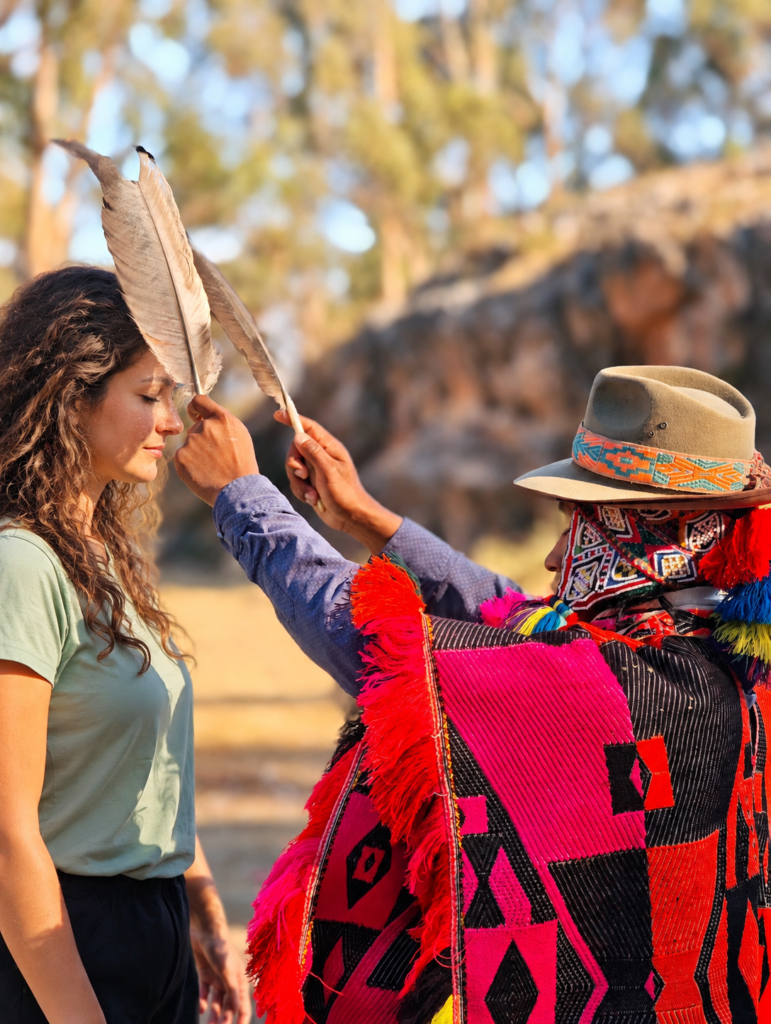
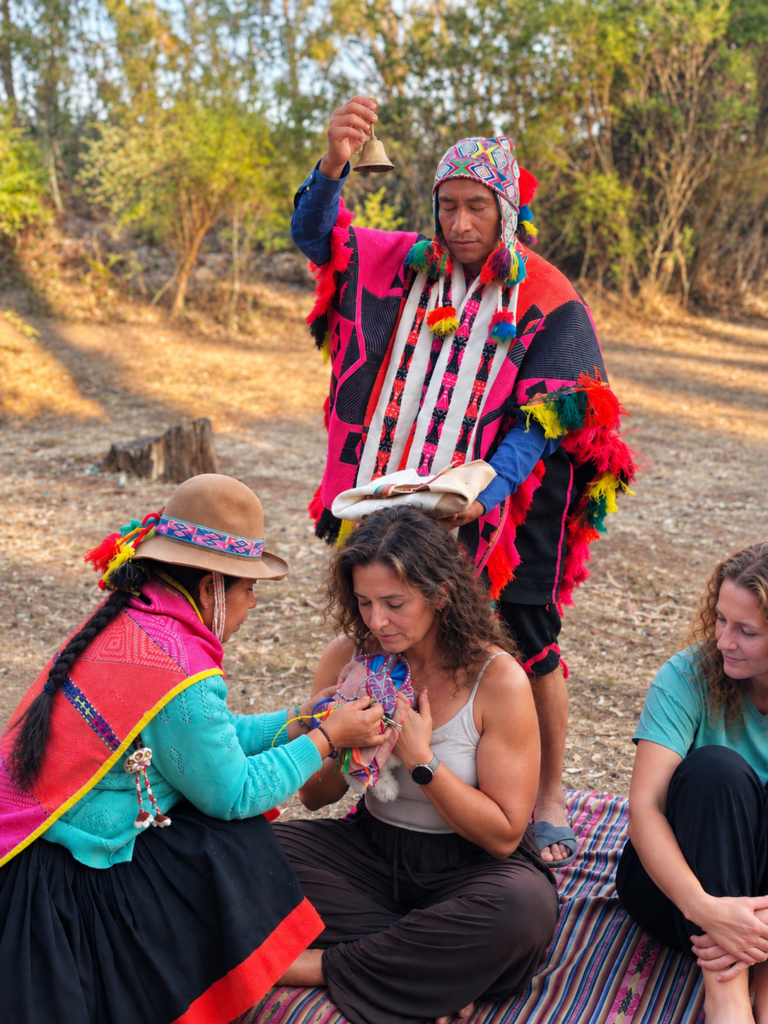
A private Andean energy cleansing can be experienced both in Cusco and the Sacred Valley, guided by an Andean paqo and accompanied by an English-speaking interpreter.
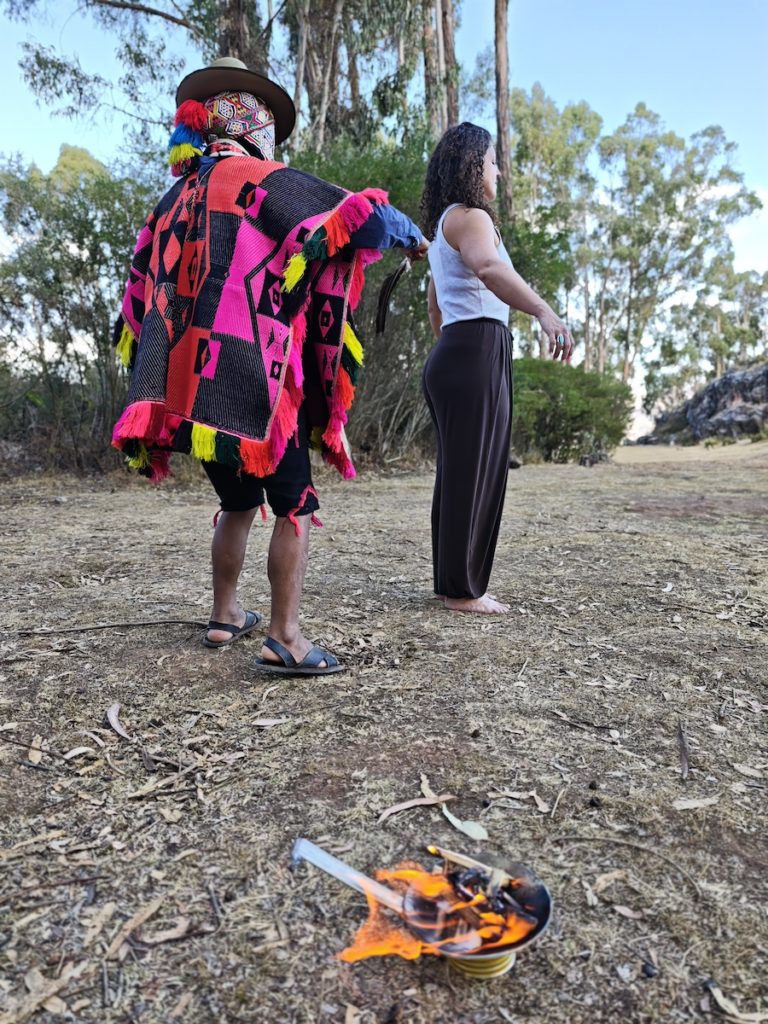
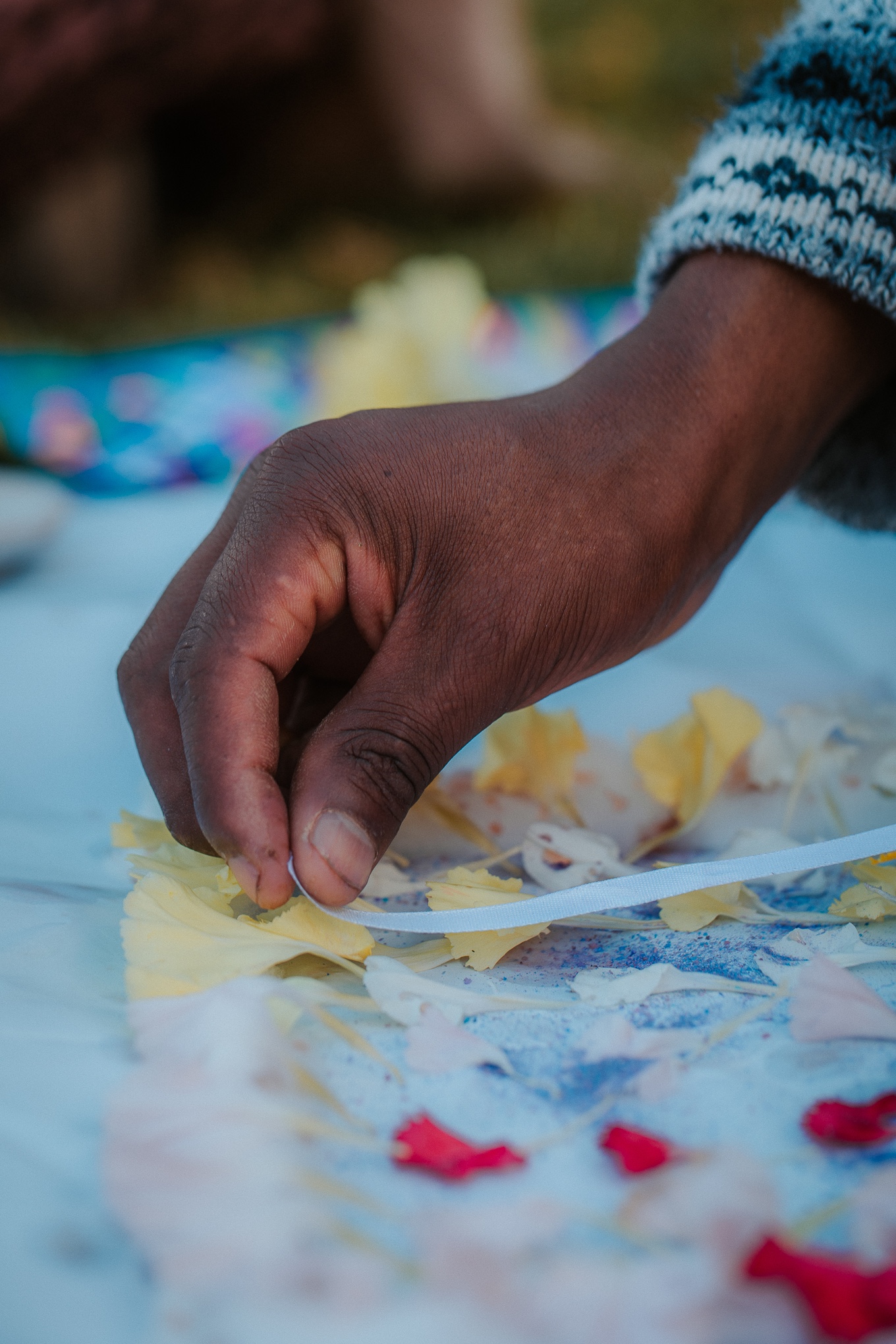
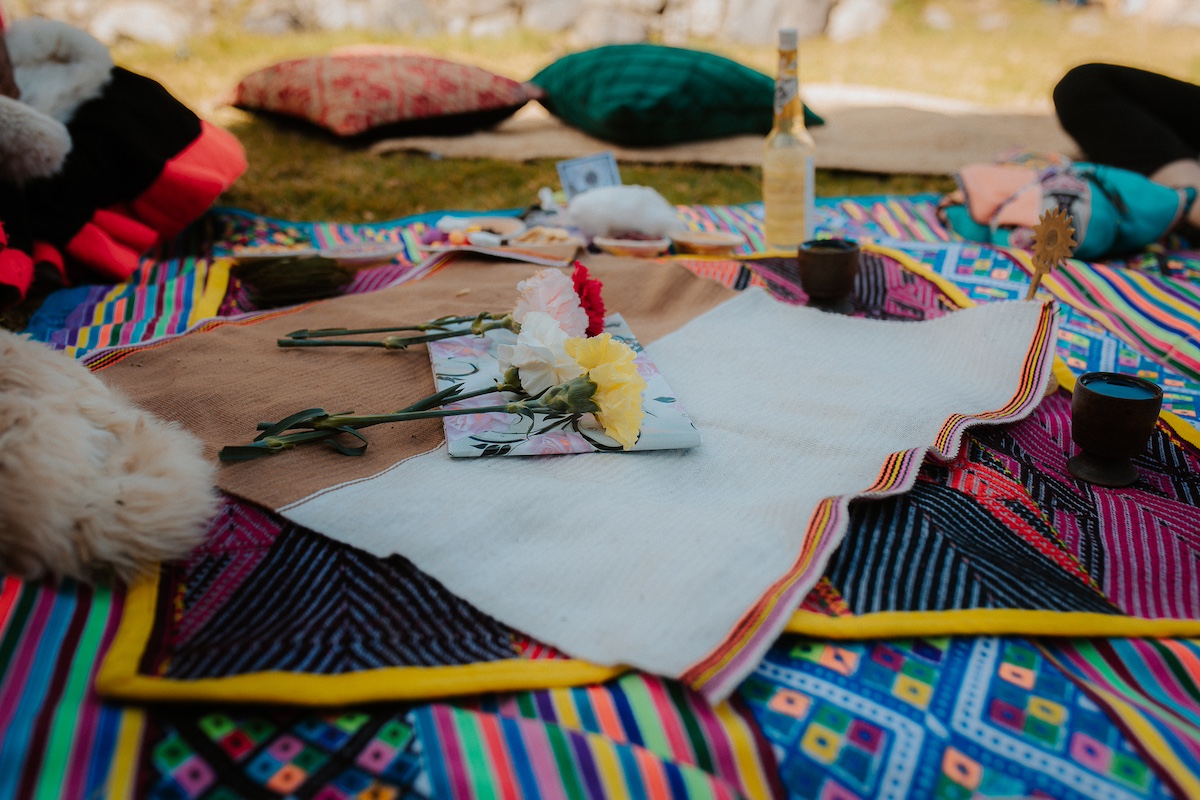
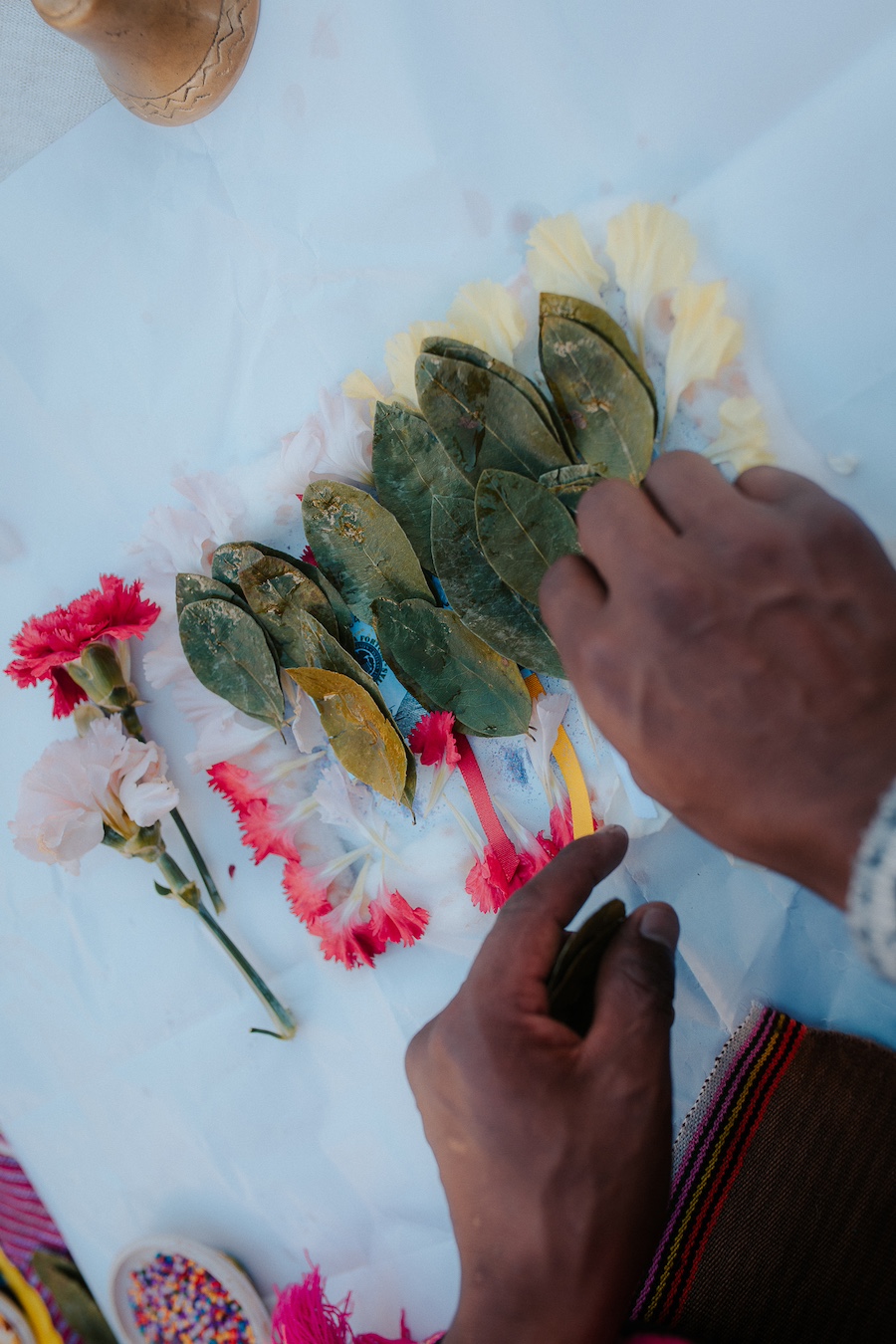
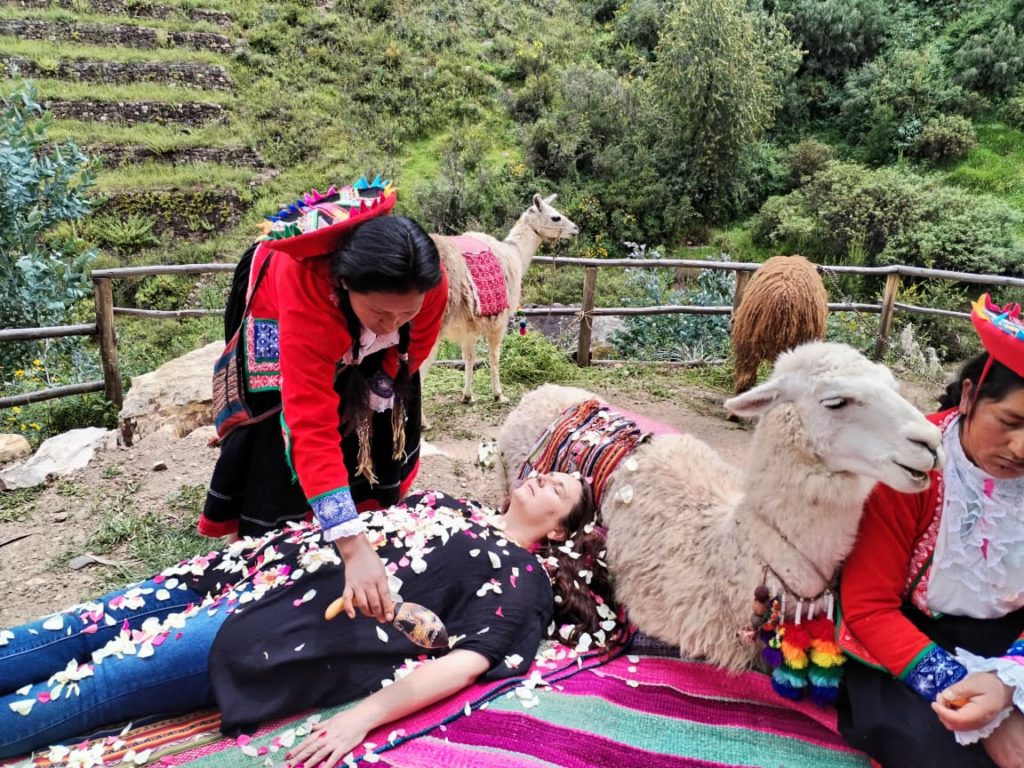
The ceremony may include a cleansing with feathers, a coca leaf reading and the preparation of a despacho — a traditional offering to Pachamama, often referred to as a pago a la tierra.
But this is not a show arranged for photographs.
Each element has a meaning.
The coca leaves are not decoration. The flowers are not there because they look pretty. The offering itself is built around the Andean idea of reciprocity — giving something back to the earth that sustains us.
In Cusco, the ceremony can take place in the mountains outside the city, away from the noise of the historic center.
In the Sacred Valley, it can happen beside water in the morning or around a fire as the afternoon light disappears behind the mountains.
No ayahuasca.
No San Pedro.
No promises of instant enlightenment.
Just an opportunity to sit with an Andean practitioner, participate in a tradition that is still alive and perhaps understand a little more about the relationship between people, the mountains and Pachamama.


Explore our Andean Energy Cleansing in Cusco & the Sacred Valley →
3. Learn to Weave From Someone Who Actually Grew Up Doing It
You will see textiles everywhere in Cusco.
Markets are full of them.
Hotels decorate with them.
Some shops have enough alpaca blankets to survive a small Ice Age.
But buying a textile and understanding one are very different things.
Spend time with women from communities such as Huilloc and you begin to see what was invisible before.
The preparation of the wool.
The natural dyes.
The tension of the threads.
The patterns representing animals, mountains, plants and stories.
And the enormous amount of time hidden inside something tourists might casually pick up and ask:
“Can you make it cheaper?”
That question starts to feel slightly embarrassing once you know what is involved.
Want to Go Deeper? Spend Three Days in Huilloc
Some traditions cannot be explained in a 45-minute demonstration.
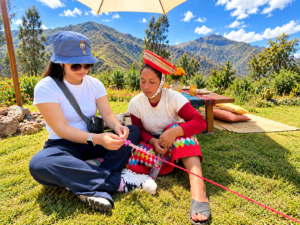
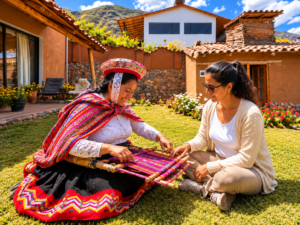
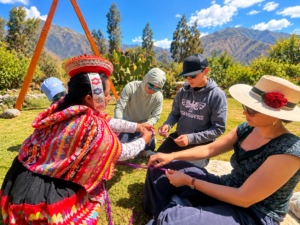
A three-day weaving immersion with the women of Huilloc gives you time to move beyond watching.
You learn about fibers, spinning, natural colors, patterns and the knowledge that has passed between generations of women.
You try the techniques yourself.
You make mistakes.
Probably quite a few.
And you begin to understand why something handmade can take weeks or months.
You will not become an Andean master weaver in three days.
That is not the point.
The value is spending enough time with the women who carry this knowledge to begin understanding what the textile actually represents.
Explore our 3-Day Huilloc Weaving Immersion →
3. Spend an Afternoon With an Alpaca Without Turning It Into a Selfie Competition
Alpacas are ridiculously photogenic.
They know it.
But there is another way to spend time with them.
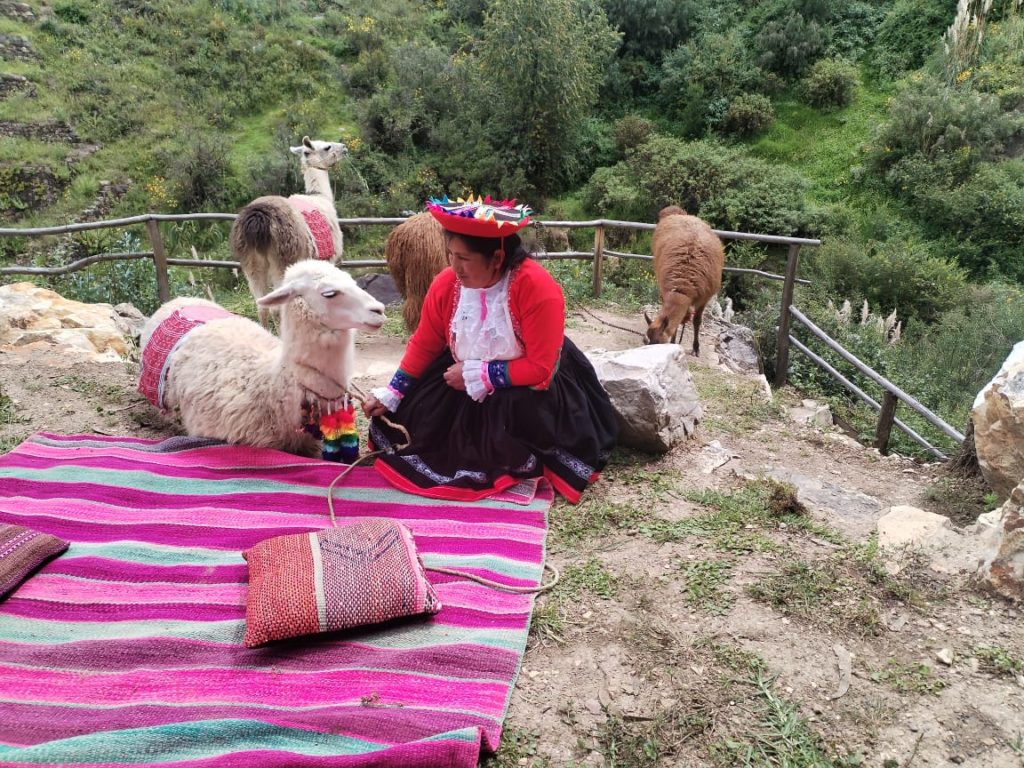
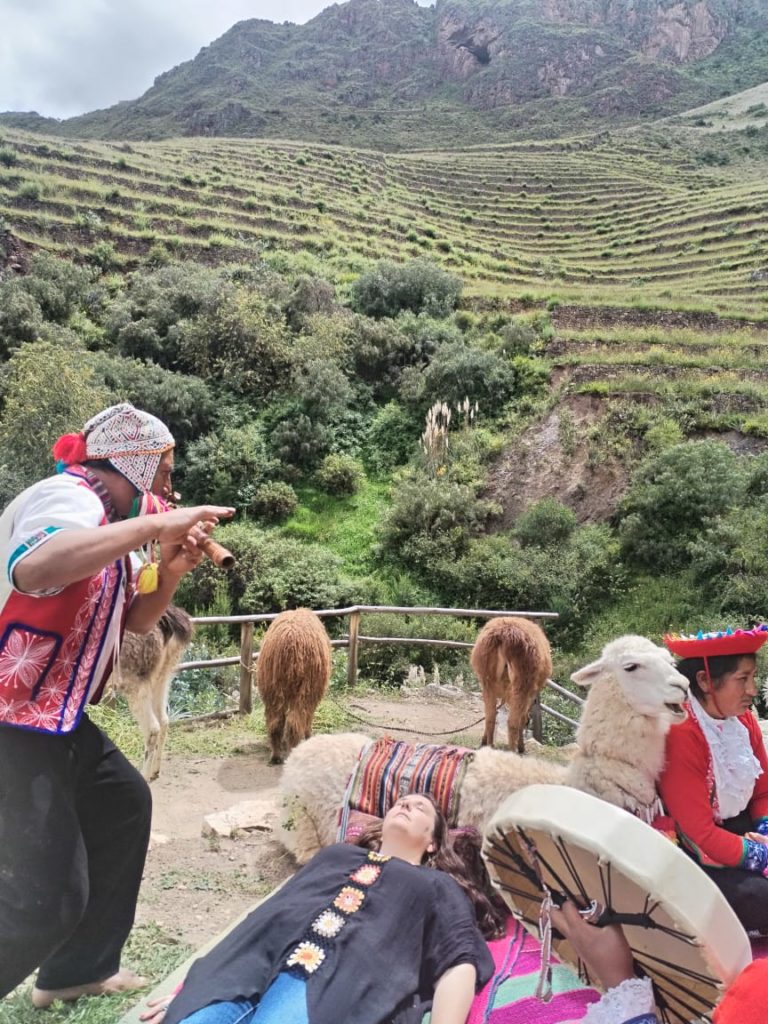
In the Sacred Valley, an alpaca therapy experience can be surprisingly quiet: learning how to approach the animal, touching its fiber, observing its behavior and simply spending time nearby.
No trekking summit.
No archaeological lecture.
Nothing to conquer.
We combine the experience with sound healing, creating a gentle afternoon centered on slowing down rather than seeing more things.
Travel does not always need another monument.
Sometimes an alpaca will do.
Discover Alpaca Therapy & Sound Healing →
4. Take a Forest Bath
The Sacred Valley has an unusual effect on itineraries.
People arrive planning to do everything.
And then, somewhere between Urubamba and Ollantaytambo, they start wondering whether they really need to.
Enter forest bathing.
Despite the name, nobody is asking you to remove your clothes or jump into a freezing Andean river.
The idea is much simpler.
Walk slowly.
Listen.
Notice the smell of trees and wet earth.
Feel the temperature change when you enter the shade.
Pay attention to things you normally walk straight past while trying to reach the next attraction.
A forest bath in the Sacred Valley is not an ancient Andean ritual, and we do not pretend that it is.
It is simply a very good way of spending time in nature without making the experience another achievement.
No summit.
No stopwatch.
No medals.
Just a few hours letting the valley be the destination.
5. Sit With a Q’ero Paqo and Learn Why the Ceremony Exists
Cusco has its fair share of spiritual tourism.
Some of it is profound.
Some of it involves suspicious quantities of feathers and promises of instant enlightenment.
We prefer the quieter version.
Traditional Andean ceremonies are based on relationships between people, Pachamama, the mountains or Apus, and the natural world.
During an energy cleansing or despacho ceremony, a paqo may work with coca leaves, flowers, feathers and different natural elements.
But the objects themselves are not really the interesting part.
The worldview behind them is.