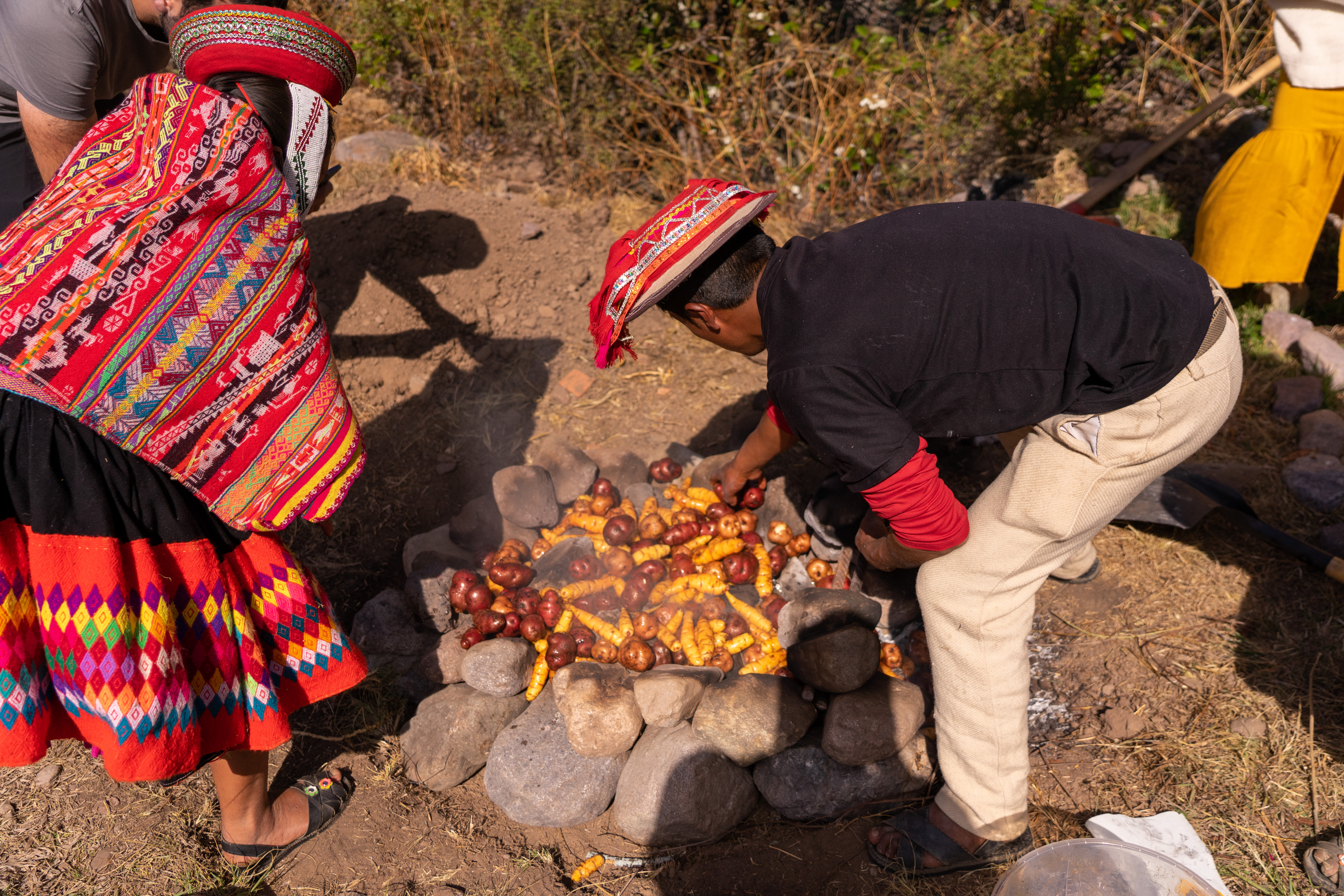
A Peruvian Cooking Class in Cusco is not just about learning how to cook.
It is about standing in front of ingredients that look alive with history: purple corn, native potatoes, ají peppers, quinoa, mountain herbs, fresh Andean cheese, giant corn from the Sacred Valley.
Peru does not introduce itself quietly.
Peru feeds you first.
Then it tells you who it is.
Most travellers arrive in Cusco with a familiar list: Machu Picchu, the Sacred Valley, maybe Rainbow Mountain, maybe a train ride through the Andes, maybe a good pisco sour at the end of the day.
All of that is worth doing.
But somewhere between a local market, the smell of ají touching a hot pan, and the first bite of something cooked slowly, you realise something important:
The real Peru is not only in the ruins.
It is in the food.
The food from Peru is generous, ancient, colourful and deeply connected to the land. It comes from the Pacific coast, the Andes and the Amazon. It carries Indigenous knowledge, Spanish influence, African heritage, Asian migration and thousands of years of agricultural intelligence.
At Pie Experiences, we create culinary experiences for travellers who do not want to simply eat Peruvian food.
They want to understand it.

20220827 210800000 iOS 1
Why Take a Peruvian Cooking Class in Cusco?
Cusco is one of the best places in Peru to understand the roots of Peruvian cuisine.
Lima may show you the polished, creative and internationally famous side of Peruvian gastronomy. Cusco shows you the older story: native potatoes, giant corn, mountain herbs, quinoa, Andean soups, local markets, fresh cheese and cooking traditions that still belong to everyday life.
A Peruvian Cooking Class in Cusco gives you access to that world.
Not through a lecture.
Through your hands.
You touch the ingredients. You smell them. You learn their names. You discover that a potato is not just a potato in Peru. There are thousands of native varieties, each with different colours, textures, shapes and uses.
You learn that ají is not simply “chilli.” It is personality. It is heat, sweetness, memory and family tradition in one ingredient.
You learn that corn in the Sacred Valley is not ordinary corn. It is large, soft, generous and deeply tied to the agricultural history of the Andes.
And you learn that Peruvian cooking is not only about following a recipe.
It is about balance, instinct, patience and respect for the ingredient.
That is why Peruvian cooking classes for tourists in Cusco are so valuable when they are done properly. A good cooking class does not just teach you what to cook.
It teaches you why it matters.
What Makes the Food of Peru So Special?
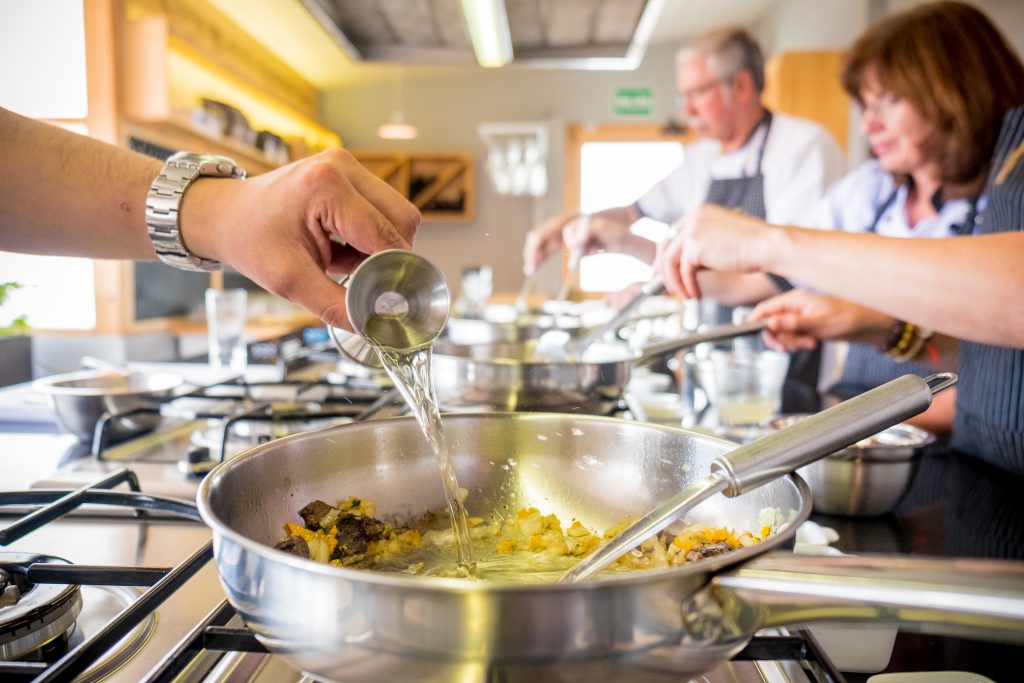
The food of Peru is not one single cuisine.
It is a whole geography on a plate.
From the coast comes ceviche: fresh fish, lime, onion, ají and that bright, sharp flavour that wakes up your whole face.
From the Andes come native potatoes, quinoa, corn, herbs, soups, slow-cooked meats and earthy flavours shaped by altitude and climate.
From the Amazon come tropical fruits, cacao, yucca, river fish and ingredients many travellers have never tasted before.
That is the beauty of the gastronomy of Peru. It is not built from one landscape. It is built from many.
This is why Peru has become known around the world for its food. But the most interesting thing is that Peruvian food did not become powerful because it tried to be fashionable.
It became powerful because it has roots.

IMG 20220827 WA0123
Typical Food in Peru: What Should You Actually Try?
When travellers search for typical food in Peru, they often find dishes such as ceviche, lomo saltado, ají de gallina, causa limeña, anticuchos and arroz con pato.
You should try them.
Happily.
But if you are coming to Cusco, leave space for the Andean table.
This is where the story gets deeper.
Native potatoes
Peru is home to thousands of varieties of potatoes. In the Andes, potatoes are not just a side dish. They are history, survival and identity.
Some are creamy. Some are dry. Some are purple, yellow, red or almost black. Some are perfect for soups. Others are made for sauces, stews or traditional preparations.
A potato in Peru is never just a potato.
Sacred Valley corn
The corn from the Sacred Valley is famous for its large kernels and soft texture. It is often served with fresh Andean cheese, toasted as cancha, or used in traditional local dishes.
It is simple food.
And it is perfect.
Pachamanca
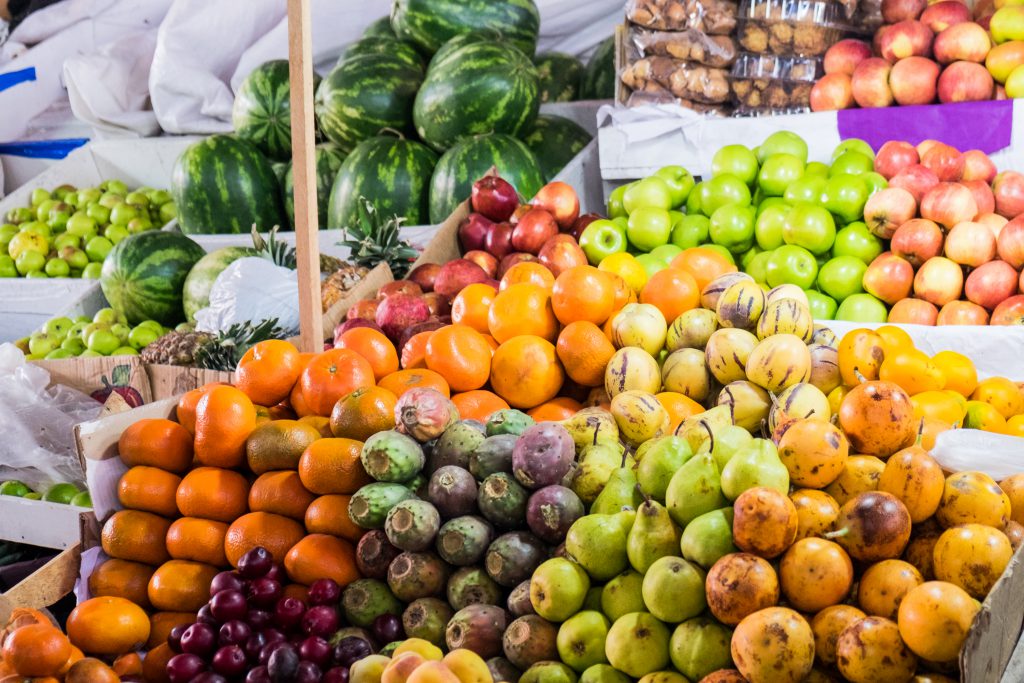
Pachamanca is one of the most traditional Andean food experiences. It is cooked underground with hot stones, herbs, potatoes, corn, vegetables and meats.
This is Peru traditional food at its most honest: local, seasonal, generous and connected to place.
If you are wondering what food to try in Peru, start with the famous dishes.
Then go deeper.
Go to the market. Go to the valley. Go where someone is cooking with fire, stones, herbs and memory.
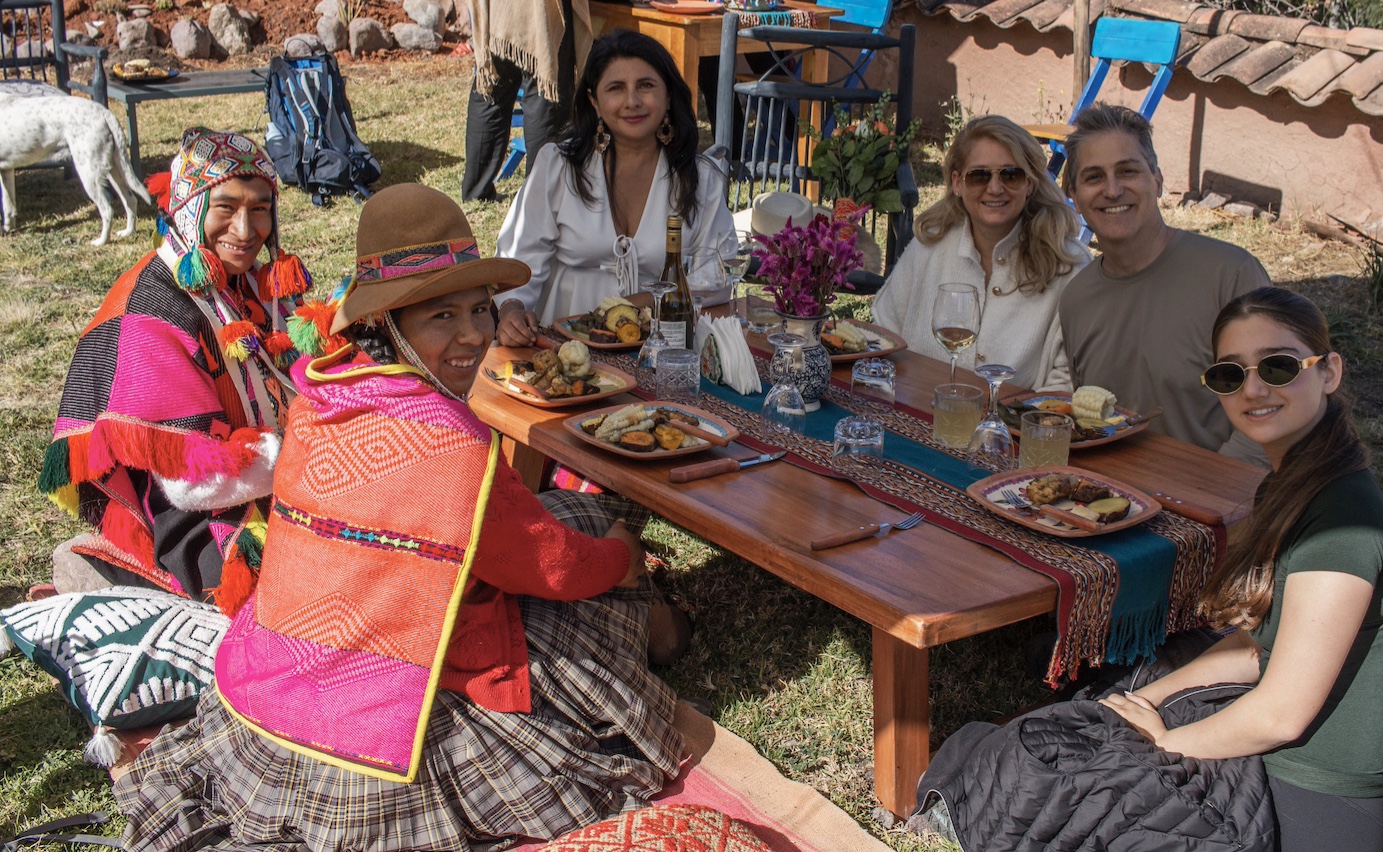
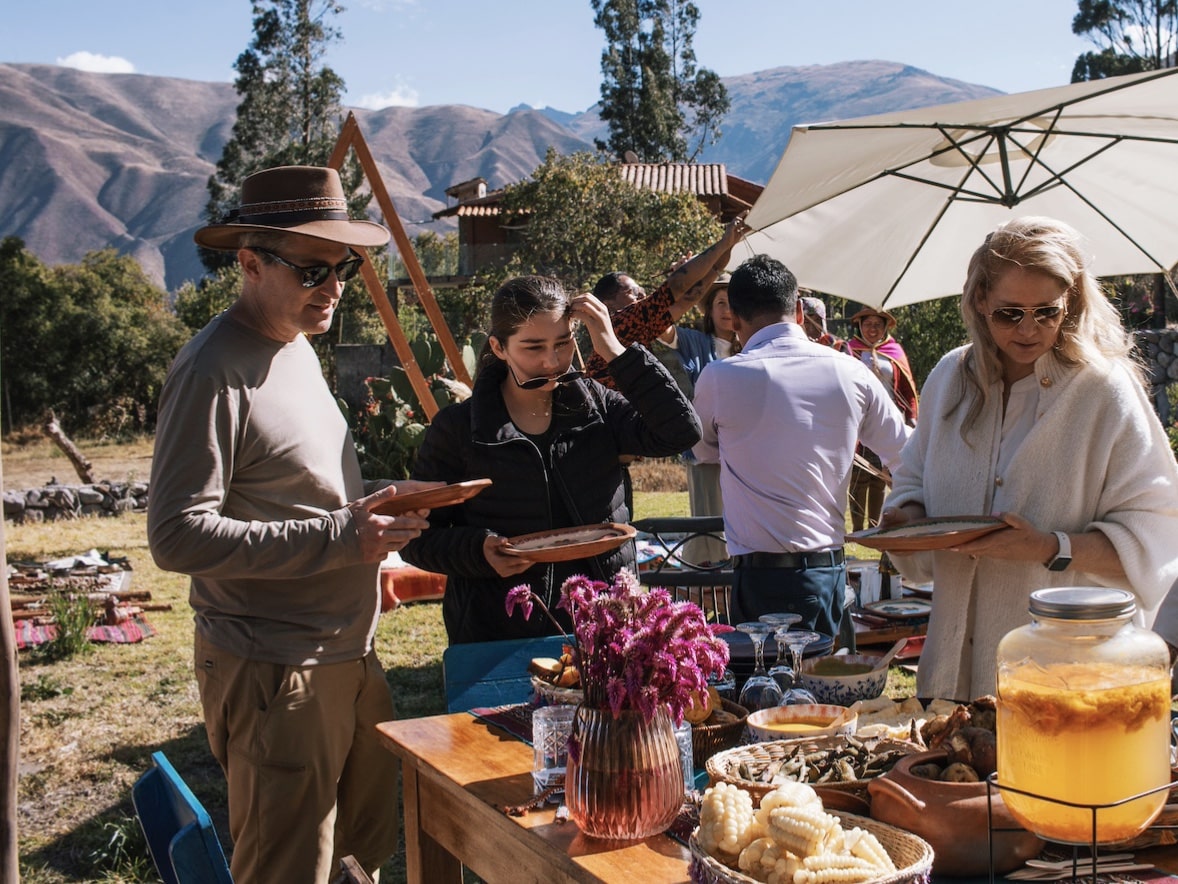


Our Peru Gastronomy Class in Cusco
Our Peru Gastronomy Class is created for curious travellers who want to cook, taste and understand.
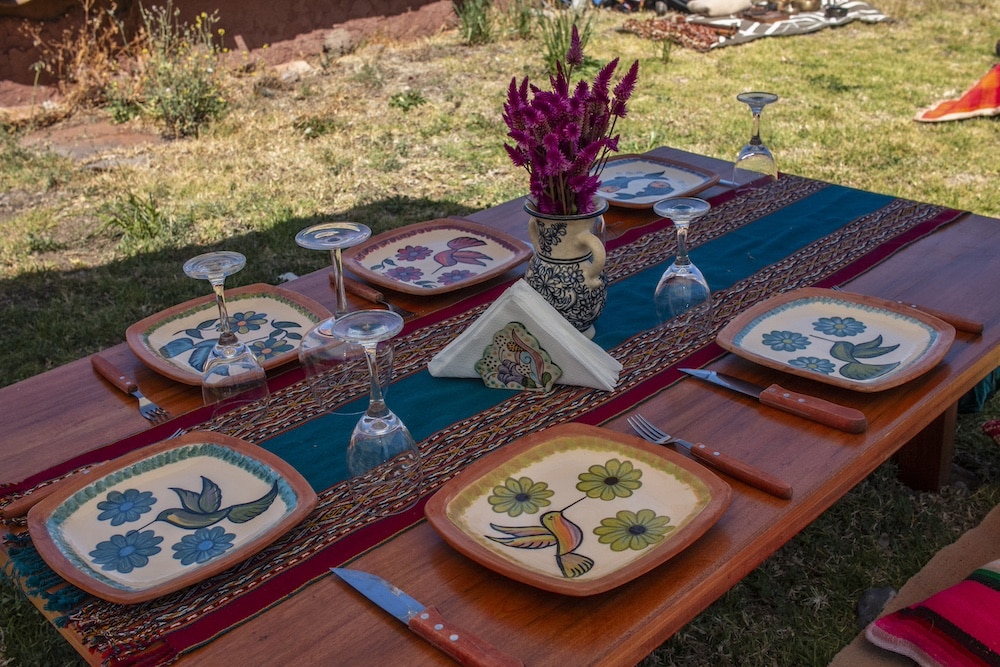
Depending on the experience, we may begin with a visit to a local market. This is where the class really starts.
Not in the kitchen.
In the colours, smells and sounds of Cusco’s food culture.
You may see fruits you have never tasted before, potatoes in unexpected shapes and colours, herbs used for cooking and digestion, different types of corn, local cheese, ají peppers and seasonal vegetables from the Andes.
Then we cook.
This is not a stiff, overly polished class where you stand politely while someone else does the real work.
You participate.
You chop, mix, taste, ask questions and learn how Peruvian flavours are built.
Depending on the menu and season, the experience may include traditional sauces, Andean ingredients, quinoa-based dishes, causa-style preparations, soups, local vegetables, fresh herbs or recipes inspired by Peruvian home cooking.
For travellers searching for the best cooking classes for traditional Peruvian dishes, this is what matters:
The experience should feel alive.
It should smell good.
It should teach you something useful.
And it should make you hungry before the food is ready.
Cooking Class, Food Tour or Pachamanca: What Is the Difference?
Many travellers ask what kind of culinary experience they should choose in Cusco.
Here is the simple version.
A Peruvian Cooking Class in Cusco is best if you want a hands-on experience. You want to learn about ingredients, prepare dishes and understand how Peruvian flavours work.
A Cusco food tour is best if you want to taste different local foods in different places, usually with a guide explaining the history and culture behind each stop.
A Pachamanca Experience in the Sacred Valley is best if you want something more traditional, emotional and connected to the land. It is less about recipes and more about ancient Andean cooking, fire, earth, hot stones and sharing food outdoors.
If you have time, the best option is to combine them.
Take a cooking class in Cusco to understand the ingredients.
Then experience Pachamanca in the Sacred Valley to understand the spirit of Andean food.
Pachamanca: The Earth Opens, and Lunch Appears
And then there is Pachamanca.
If a cooking class teaches you Peru through your hands, Pachamanca teaches you Peru through the earth.
Pachamanca comes from Quechua. “Pacha” refers to earth or world, and “manca” means pot.
An earth pot.
That already tells you a lot.
Hot stones are prepared in a fire. Ingredients such as potatoes, corn, vegetables, herbs and traditionally meats are placed carefully into the ground. Everything is covered and left to cook slowly underground.
No rush.
The earth does the cooking.
And when the Pachamanca is finally opened, there is always a moment when people stop talking.
Because the smell comes first.
Smoke. Herbs. Warm earth. Potatoes. Corn. Something ancient and comforting.
This is not just lunch.
It is a food ritual that still feels alive.

patabamba10
At Pie Experiences, our Pachamanca Experience in the Sacred Valley takes place surrounded by mountains and local life. It can be combined with weaving, storytelling, a beautiful Andean table, cultural workshops or simply the pleasure of sitting down and eating well in a place that feels real.
For many travellers, this becomes one of the most memorable meals of their trip to Peru.
Not because it was fancy.
Because it meant something.
What Will You Learn in a Peruvian Cooking Class in Cusco?
A good Peruvian Cooking Class in Cusco should give you more than a recipe to take home.
You should leave understanding:
- Why Peru has such a rich variety of ingredients
- How altitude influences Andean food
- Why native potatoes are so important in Peruvian culture
- How ají peppers are used in sauces and stews
- What makes Cusco’s food different from Lima’s coastal cuisine
- How traditional dishes connect with family and daily life
- Why Pachamanca is more than just a cooking method
- How Peruvian food reflects geography, migration and memory
This is what makes a culinary experience memorable.
You are not just eating.
You are learning how a country thinks through food.
What Are the Best Peruvian Food Tours Available in Cusco?
The best Peruvian food tours available in Cusco are the ones that bring you closer to real local life.
A good food experience in Cusco should not feel like a rushed checklist of bites. It should give you time to taste properly, ask questions and understand what is behind the food.
A meaningful culinary experience may include:
- A local market visit
- A hands-on cooking class
- Traditional Andean ingredients
- A Pachamanca experience
- A local host or guide
- A cultural explanation of the food
- A beautiful setting in Cusco or the Sacred Valley
Cusco is not only the gateway to Machu Picchu.
It is one of the best places in Peru to understand the roots of Andean cuisine.
Top Culinary Tours in Peru Focusing on Local Food Experiences
Travellers looking for top culinary tours in Peru focusing on local food experiences often begin with Lima.
That makes sense. Lima is exciting, elegant and internationally recognised for its restaurants.
But if you want something more intimate, come to Cusco and the Sacred Valley.
Here, the experience is slower and more grounded.
You are not only sitting at a table waiting to be impressed. You are walking through markets, touching ingredients, cooking with local people, watching stones heat in the fire, eating in the open air and learning how food, farming, family and landscape are connected.
That is the kind of culinary travel we believe in.
What About Lima’s Famous Restaurants?
Many travellers ask: What are the top restaurants specializing in Peruvian gastronomy in Lima?
Lima is the city most travellers associate with Peru’s fine dining scene. It is where contemporary Peruvian cuisine, seafood, Nikkei cooking, Amazonian ingredients and creative tasting menus often take the spotlight like Central , Kjolle , and Maido
That side of Peru is absolutely worth exploring.
But after Lima, come to the Andes.
Because the full story of Peruvian food is not only written in tasting menus.
It is also written in markets, fields, mountain kitchens, clay pots and Pachamanca stones.
Fine dining may show you what Peruvian food can become.
Cusco shows you where it begins.
Who Is This Experience Perfect For?
Our culinary experiences are ideal for:
- Couples looking for a meaningful private experience
- Families who want something interactive and cultural
- Food lovers who want more than restaurant recommendations
- Travellers who enjoy markets, local ingredients and storytelling
- Small groups looking for a special activity in Cusco or the Sacred Valley
- Visitors who want to understand Peruvian culture through food
- Travellers visiting Machu Picchu who want to add a local food experience to their itinerary
Why Book a Peruvian Cooking Class in Cusco with Pie Experiences?
Pie Experiences creates private, thoughtful and culturally rich experiences in Peru.
Our food experiences are designed for travellers who want something personal, beautiful and real. Something well organised, but still human. Something that feels less like a standard tour and more like being invited into a deeper part of Peru.
You can book:
- A Peruvian Cooking Class in Cusco
- A private market visit
- A Pachamanca Experience in the Sacred Valley
- A traditional Andean food experience
- A culinary experience combined with weaving, local culture or Andean traditions
Every experience can be adapted depending on your travel style, group size and interests.
Some travellers want to cook.
Some want to eat.
Some want the story.
The best ones want all three.
Final Thought: The Best Food in Peru Is the Food You Understand
People often search for the best food Peru has to offer.
They expect a list.
Ceviche. Lomo saltado. Causa. Pachamanca. Ají de gallina. Anticuchos.
And yes, those dishes matter.
But the best food in Peru is not only about what lands on the plate.
It is about the woman in the market who tells you which potato is best for soup. The smell of ají in a hot pan. The first sip of chicha morada. The silence when the Pachamanca is opened. The mountain air. The table. The people around it.
Book Your Peruvian Cooking Class in Cusco
If you are travelling to Cusco and want to experience the real food of Peru, Pie Experiences can create a private culinary experience for you.
Choose a hands-on Peruvian Cooking Class in Cusco, a market visit, a Pachamanca experience in the Sacred Valley, or a combination of food and culture designed around your trip.
Come hungry.
Leave with a story.
To book your Peruvian cooking class, contact us.
For more details on the amazing, tasty and diverse foods of Peru, read the our blog posts:
- Vegan and vegetarian food in Peru: Our ultimate survival guide for foodies
- Pachamanca, A Dining Experience In Peru Unlike Any Other
FAQ: Peruvian Cooking Class in Cusco
What is a Peruvian Cooking Class in Cusco?
A Peruvian Cooking Class in Cusco is a hands-on culinary experience where travellers learn about local ingredients, traditional recipes and the cultural meaning behind Peruvian food. It often includes native potatoes, ají peppers, quinoa, Sacred Valley corn and Andean cooking traditions.
What do you cook in a Peruvian cooking class in Cusco?
Menus can vary depending on the season, but a Peruvian cooking class in Cusco may include traditional sauces, quinoa dishes, causa-style preparations, Andean soups, local vegetables, fresh herbs and recipes inspired by Peruvian home cooking.
Is a Peruvian Cooking Class in Cusco worth it?
Yes. A Peruvian Cooking Class in Cusco is worth it for travellers who want to understand Peru beyond sightseeing. It is a cultural, hands-on and food-focused experience that connects local ingredients with history, geography and daily life.
What is the difference between a cooking class and a food tour in Cusco?
A cooking class in Cusco is hands-on and teaches you how Peruvian flavours are prepared. A food tour usually focuses on tasting different foods in different places. A cooking class is better if you want to learn, cook and understand the ingredients.
What is Pachamanca?
Pachamanca is a traditional Andean cooking method where food is cooked underground using hot stones. It usually includes potatoes, corn, vegetables, herbs and meats. It is one of the most meaningful examples of traditional Peruvian food in the Andes.
Can I combine a Peruvian Cooking Class in Cusco with Pachamanca?
Yes. A Peruvian Cooking Class in Cusco can be combined with a Pachamanca Experience in the Sacred Valley. The cooking class helps you understand Peruvian ingredients, while Pachamanca connects you with ancient Andean food traditions.
What food should I try in Peru?
Some of the best food to try in Peru includes ceviche, lomo saltado, causa, ají de gallina, anticuchos, native potatoes, quinoa dishes, chicha morada and Pachamanca. In Cusco and the Sacred Valley, Andean ingredients are especially important.
Is a Peruvian cooking class good for families?
Yes. A Peruvian cooking class is a good experience for families because it is interactive, cultural and easy to adapt to different ages. It is especially good for families who want a private activity in Cusco or the Sacred Valley.
Where is the Pachamanca experience located?
The Pachamanca experience takes place in the Sacred Valley of the Incas, near Cusco. It is ideal for travellers visiting Urubamba, Ollantaytambo, Pisac or Machu Picchu who want to include a traditional food experience in their itinerary.
What are the best Peruvian food tours available in Cusco?
The best Peruvian food tours in Cusco usually include a local market visit, traditional Andean ingredients, hands-on cooking, cultural storytelling and a connection to local life. A Pachamanca experience in the Sacred Valley is one of the most memorable culinary experiences near Cusco.